
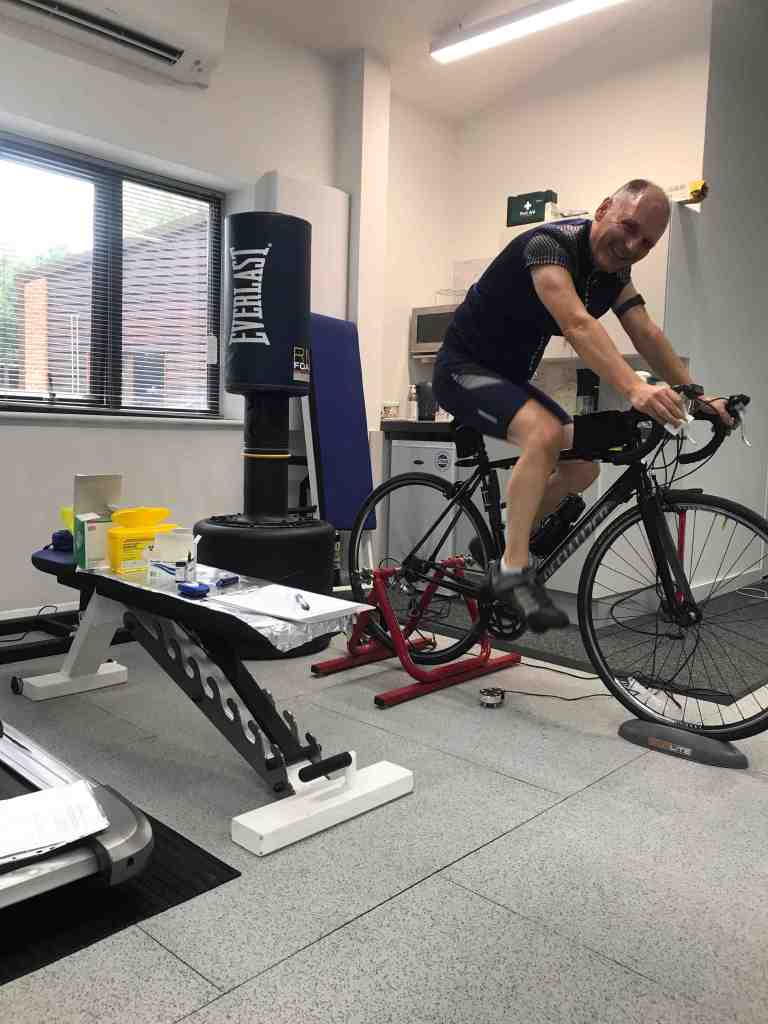
SCENE FADE IN : Two gents are having a chat at a personal gym session.
‘It’s endemic’ my trainer said to me.
‘What is?’ I replied.
‘Men ‘redlining’ on bikes when I’m out cycling’ (See Figure 1 below, heart rate in BPM versus time).
‘What does that mean?’
‘Men get a posh, expensive bike and cycle really fast past me and they don’t know they are overexercising and harming their bodies. Their mistake is they are doing too much anaerobic (Without oxygen e.g. running hard and cycling hard) exercise and not enough softer aerobic exercise (With oxygen, exercises such as stretching and yoga). So in fact they are really unfit and damage their muscles by overworking them. They are ‘Weekend Warriors’. They are macho ( See Grayson Perry’s first chapter of ‘The descent of man‘ where an ‘adult’ dad screams at his son on his mountain bike to go faster) and they don’t know that their brain and their body are at two different fitness levels. They think they are fit as they can run 10k in less than 50 minutes…in reality they are trashing themselves and this leads to long term injury.’
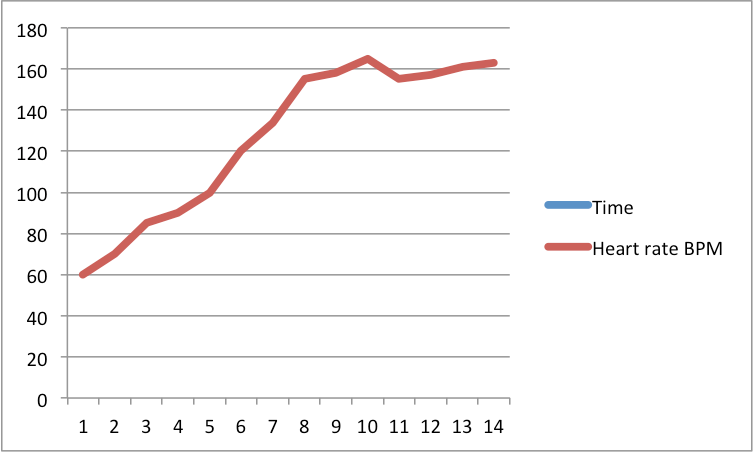
Figure 1 : Example of ‘redlining’, in other words overdoing it every time you exercise
‘OK…so how do you assess my fitness?’ I asked.
‘By doing the lactate threshold test’ he said.
FADE OUT : CUT TO QUOTATION
‘The Lactate threshold refers to the point during intense exercise where lactate builds up more quickly than it can be removed from the system. It is one of the most effectively used physiological markers of performance. Utilising the lactate threshold to determine training zones can greatly improve endurance performance’ . This quote is from go-perform.co.uk where you can also pay to get the test done. Other test centres are available.
CUT TO ME THE AUTHOR :
That’s me on my bike in the picture above having finished my first ever ‘measured fitness’ test in my life. It measured my lactate. You can just about see the pin pricks and blood on each of my right hand fingers.
I’m not some sort of pro-athlete by the way. I’m just an average guy using exercise and diet to keep fit.
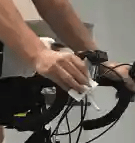
Figure 2. My ‘bloody’ fingers being used to take drops of blood for the lactate machine. You start with one finger (Finger beside the thumb) and move to the next as approximately ten samples are needed.
The blood was sampled for lactate after every increase in power effort burst (10 mins) I did on the bike. It wasn’t painful, just a little annoying when you are exhaling hard and someone continues to puncture your skin. My trainer is taking the picture and has PPE gear as he has been sampling my blood and measuring the lactate.
The fifty minute test consisted of ‘calibrating’ the bicycle first of all by me peddling to 25 mph very quickly and then stopping immediately. After a 10 minute warm up and the calibration complete I started with a low wattage power controlled by the ‘COMPUTRAINER’. Then after 10 minutes my blood was sampled with a ‘pin prick lancet tool’ diabetics use to puncture their skin. The blood drop captured on a ‘lactate strip’ which sat in a lactate measurement device.
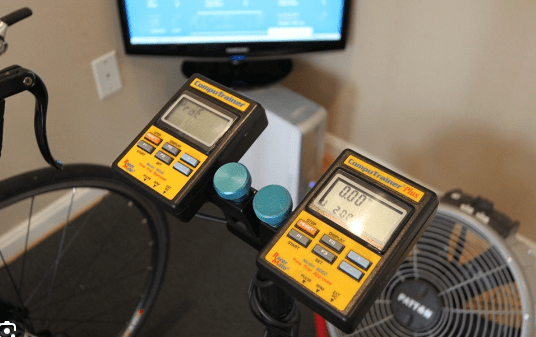
Figure 3. A ‘COMPUTRAINER’ mounted on a bicycle. A predecessor to ‘Zwift ERG mode‘ where you can manually adjust the power in Watts you peddle at by pressing the up and down buttons.
Then the power was raised by 20 Watt intervals and the samples taken after another 10 minutes of exercise on multiple fingers. The results of the lactate measurement against power in watts was then plotted see below in Figure 4. Examples of the plot are below.
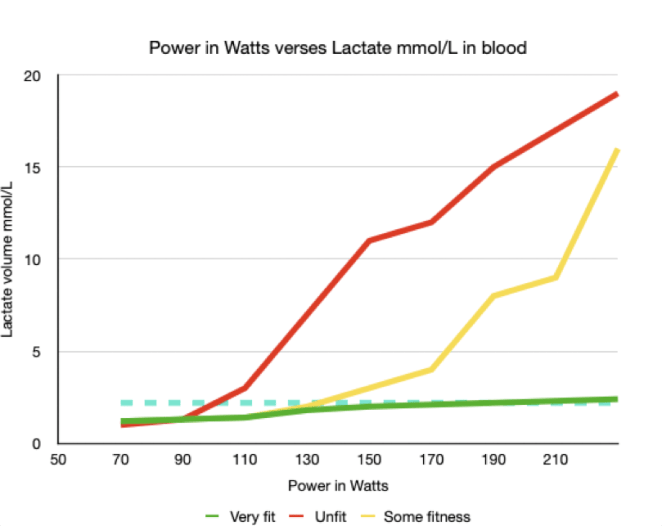
Figure 4 : Lactate build up in the body verses power exerted on a bicycle in Watts.
The first red line in the graph is someone ‘unfit’ as their lactate volume in their blood increased very rapidly after little exercise. The second line in orange is someone who has ‘some fitness’ and needs to increase their resistance to the lactate threshold by doing more low intensity efforts. Their lactate volume could do with being more flat for a period after the initial exercise. The third graph is someone who is actually ‘very fit’ and can maintain a low lactate threshold for a long time as the effort increases. It is only when the power exceeds 250 W that their lactate levels rise exponentially. Tour De France riders ride at much higher powers than 300 W and they can maintain very low lactate levels for a long time.
The lactate threshold level is marked in a blue dotted line at 2.2 mmol/L. Once you cross that your lactate is seen as ‘excessive’.
My fitness sat somewhere in the ‘some fitness’ area. I now have a training plan to go from ‘some fitness to fit’ and I will be measured again at the end of this month to see if my curve has moved to the right and hopefully my resistance to lactate increase has improved.
When you get ‘aerobically fit’ you can ‘do more’ physical exercise as your body does not produce as much lactate. That’s it.
Conclusions
- ‘Redlining’ (Going at > 150 BPM for long periods) on a bike or run is not good for you.
- Get a good personal trainer. Go and see a decent physical trainer and get a good training plan (I mean one with real experience behind them not one who gives you push ups and weights without understanding where your body is).
- If you want to know if you are fit, take a lactate test. Don’t guess. It may be the best investment you make this year.
- Focus on aerobic as well as anaerobic training. Ask a trainer for the balance you need here. If you don’t what type of training you are doing (aerobic verses anaerobic) find out to ensure you don’t injure yourself.
- Stretching muscles as we get older is vital as they shorten. Go and buy that bright yellow yoga mat and start doing some wall angels.
- Consider getting a ‘strength plan’ for exercise. The horse stance is an excellent exercise.
- Don’t make it up yourself from youtube videos, ask for professional advice.
Further reading
Lactate testing (University of Virginia)
Heathline ‘benefits of stretching‘
END OF ARTICLE
 whichwearable.co.uk