
The next version of Android for smartphones called P for “pie” will have a set of “wellness” features that aim to tackle growing smartphone addiction.
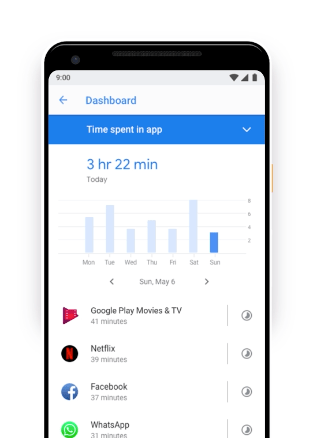
The main features are :
” App Dashboard and App timers ” : Tracking how long you have used an App and letting you know when a limit has been reached on a dashboard.
“Wind down” . After setting a time to go to bed the screen turns to black and white to reduce the attractiveness of Apps. This can be used to go to sleep at night to ensure that your brain isn’t stimulated by colour. This is similar to the Oneplus phones “Reading mode” where the phone can be operated in black and white. In my experience this brings a certain calmness to the device.
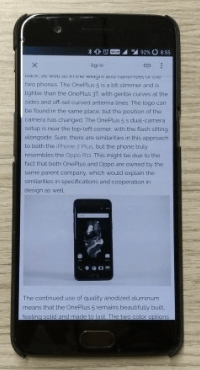
Improvements to “Do not disturb” mode. Messages and notifications can be switched off. Calls from important “starred/important” contacts can still come through.

whichwearable view : This a great start and we hope that Apple starts to look at this too. Sitting at an airport coming home from a holiday recently I tried to count the number of people not “lockedin” to smartphones, tablets and headphones. I stopped at 6 in a very busy lounge. I also noticed out and about that McDonalds have installed tablets in their restaurants. Initially I thought that this was to enable kids of four to order burgers but it was there to keep them happy whilst the parents consumed their food. I guess four year olds ordering a Big Mac is still to come via the McDonald’s App. Using a smartphone with a black and white display mode is fantastic and the handset vendor Oneplus leads the way having had this feature for more than a year already. Telling you that you have been too long on an App is one thing but that “digital diagnosis” also needs a call to action “Stop browsing now” or ” Go to sleep”. This “Call to action” is overdue in digital wellness and could be the the next phase in AI (Artificial Intelligence).
 whichwearable.co.uk